
UAE’s Extreme Heat and Dust Are Destroying Your Fridge and AC – And Proven Ways to Make Them Last Longer
Have you ever wondered, “Why is my AC not cooling in Dubai?” or asked yourself, “Why does my refrigerator keep running non-stop during summer?” You are certainly not alone. Thousands of residents across the Emirates face these exact frustrations every single year.
The brutal combination of scorching temperatures, relentless dust storms, and oppressive humidity creates what experts call “the perfect storm” for appliance failure in UAE. Your cooling systems were simply never designed to handle conditions this extreme, this consistently, for this long.
But here is the encouraging news: understanding why these breakdowns happen and adopting targeted AC maintenance habits can save you thousands of dirhams while keeping your home comfortable year-round.
The Unforgiving Reality of UAE Weather
Let us be completely honest about what your appliances face daily. The UAE climate ranks among the most punishing environments on Earth for household electronics and cooling systems.
Summer temperatures in coastal cities like Dubai, Abu Dhabi, and Sharjah routinely exceed 45°C. Inland regions experience even more brutal conditions, with areas like Sweihan recording temperatures above 50°C during peak summer months. “It feels like standing inside an oven,” describes one longtime Dubai resident.
But temperature represents only part of the challenge.
Humidity levels along the Gulf coast frequently soar above 85-90%, creating that infamous sticky, suffocating sensation. This moisture wreaks havoc on electrical components, promotes mold growth, and forces cooling systems to work exponentially harder.
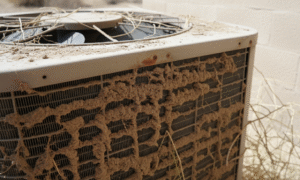
Then come the dust storms in UAE – those dramatic shamal winds that transform clear skies into hazy orange walls within minutes. These events deposit fine desert particles everywhere: on furniture, inside window cracks, and deep within your AC condenser coils and refrigerator components.
“After every major dust storm, I find sand in places I never thought possible,” notes a Sharjah homeowner. Sound familiar?
Voltage fluctuations in older residential buildings add another complication. Sudden power surges during peak summer demand periods damage sensitive electronics, leading to unexpected appliance breakdown and costly emergency repairs.

How Does Extreme Heat Damage Your Air Conditioner?
Your split AC unit or central air conditioning system bears the heaviest burden in this climate. Understanding the specific damage mechanisms helps explain why AC repair in Dubai becomes so common during summer months.
The Compressor Crisis
Unlike temperate regions where air conditioners rest for months annually, UAE AC units operate almost continuously for eight to ten months each year. Many households run systems around the clock because nighttime temperatures rarely drop below 30°C.
This constant operation creates tremendous compressor strain. The compressor, essentially the heart of your cooling system, experiences accelerated wear when forced to run without adequate rest periods.
“Why does my AC compressor keep failing?” The answer often involves:
- Overwork from non-stop operation
- Dust-clogged coils preventing proper heat dissipation
- Refrigerant leaks from thermal expansion stress
- Voltage spikes damaging electrical components
The Dust Accumulation Problem
Outdoor condenser units face direct sunlight exposure while simultaneously battling blowing sand particles. When dust blankets condenser coils, heat cannot escape efficiently. The system compensates by running longer, harder cycles – dramatically increasing energy consumption while speeding up mechanical deterioration.
Many residents notice their DEWA electricity bills climbing 50-70% during peak summer, often without realizing that dirty coils share significant blame.
Humidity-Related Complications
High moisture levels cause evaporator coil ice buildup when drainage systems become overwhelmed. Clogged condensate drains lead to:
- Water leakage and ceiling damage
- Mold and mildew growth
- Reduced AC cooling efficiency
- Unpleasant musty odors
“Why is my AC leaking water inside my apartment?” Blocked drain lines are frequently responsible.
The True Cost of Neglect
AC repair costs in Dubai and Abu Dhabi add up quickly:
- Minor filter or cleaning issues: AED 200-500
- Refrigerant recharging: AED 400-800
- Compressor replacement: AED 3,000-6,000+
- Complete unit replacement: AED 8,000-15,000+
During peak summer, qualified AC technicians become extremely busy, sometimes requiring appointments booked weeks in advance. Imagine sweltering without cooling for days while waiting for service!
Why Your Refrigerator Struggles in UAE Heat
Refrigerator problems develop more gradually than AC failures but prove equally frustrating and expensive. Understanding the specific challenges helps explain why fridge maintenance in UAE requires special attention.
Ambient Temperature Overload
Most household refrigerators are engineered assuming surrounding temperatures between 25-32°C. When ambient air regularly exceeds 40°C, compressors must run significantly longer cycles to maintain internal temperatures between 3-5°C.
“Why is my fridge not cooling properly in summer?” Overwhelming external heat often shares the blame.
Location Mistakes
Many UAE residents unknowingly place refrigerators in problematic locations:
- Garages without air conditioning (temperatures exceeding 50°C)
- Kitchens with poor ventilation trapping cooking heat
- Positions flush against walls restricting airflow
- Areas receiving direct afternoon sunlight
Coil Contamination
Refrigerator condenser coils, typically located on the back or bottom of units, require adequate airflow to dissipate extracted heat. When desert dust blankets these surfaces, heat becomes trapped, forcing compressors to work harder and longer.
Seal Degradation
Door gaskets crack, warp, or lose elasticity faster in extreme conditions. Once refrigerator seals fail:
- Cold air escapes continuously
- Warm, humid air enters
- Frost buildup increases
- Compressors run almost non-stop
- Energy consumption skyrockets
Fridge repair costs in UAE range from:
- Seal replacements: AED 150-400
- Thermostat repairs: AED 200-500
- Compressor replacement: AED 1,000-2,500
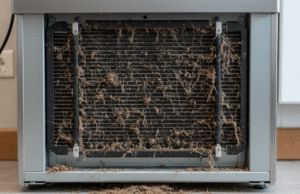
Vacuum refrigerator coils every 3-6 months to prevent compressor strain in UAE heat
Proven Maintenance Strategies That Actually Work
Ready to fight back against the UAE climate? These targeted appliance maintenance tips protect your investment while reducing energy costs significantly.
Essential AC Maintenance Tips for UAE
1. Filter Care
Clean or replace AC filters every 4-6 weeks during heavy usage periods. After dust storms, inspect filters immediately. This single habit can improve cooling efficiency by 10-15%.
2. Professional Coil Cleaning
Schedule professional AC coil cleaning in Dubai at least twice annually – before summer begins and mid-season during July or August.
3. Outdoor Unit Protection
Shade condenser units from direct sunlight while maintaining adequate clearance for proper airflow. Never block ventilation.
4. Smart Thermostat Settings
Set temperatures between 24-26°C. “Each degree of additional cooling increases energy consumption by approximately 6-8%,” according to energy experts.
5. Surge Protection
Install voltage stabilizers to protect against power fluctuations, especially in older buildings.
6. Vent Management
Ensure furniture and curtains do not block supply vents, allowing cooled air to distribute properly.
Critical Fridge Maintenance Steps
1. Coil Cleaning
Vacuum condenser coils every 3-6 months using a brush attachment. This simple task takes minutes but prevents major refrigerator problems.
2. Proper Positioning
Maintain 10-15 centimeters of clearance around refrigerators for adequate ventilation. Never push units flush against walls.
3. Seal Testing
Perform the “paper test” quarterly: close the door on paper, then try pulling it out. Proper seals grip firmly; easy removal indicates failing gaskets requiring replacement.
4. Temperature Management
Allow hot food to cool before refrigerating. Placing steaming containers inside forces compressors to work harder while temporarily raising interior temperatures.
5. Avoid Overloading
Overcrowded interiors restrict airflow, creating uneven cooling and increased energy consumption.
Warning Signs You Should Never Ignore
How do you know when appliances need attention? Watch for these red flags:
AC Warning Signs:
- Strange grinding, squealing, or clicking noises
- Water leaking around indoor units
- Warm air blowing despite low thermostat settings
- Units running constantly without reaching desired temperatures
- Unexplained DEWA bill increases
- Uneven cooling across different rooms
Refrigerator Warning Signs:
- Constant humming or running sounds
- Ice buildup on interior walls
- Food spoiling faster than normal
- Exterior surfaces feeling unusually warm
- Condensation forming on door seals
“Catching problems early costs far less than waiting until complete failure occurs,” advises one experienced appliance technician.
Should You Repair or Replace?
When facing major appliance problems, this question becomes crucial. General guidelines suggest:
- Units under 8-10 years old: Repair typically proves more economical
- Older units: Consider replacement, especially if facing expensive compressor issues
- Multiple recent repairs: Replacement often makes more financial sense
Always choose licensed appliance repair services in UAE offering genuine parts and proper warranties. Check online reviews and verify credentials before booking